
Two failed metal onlays.
A cancer treatment on hold.
One precise restoration that changed everything.
How Toothrocket's nano-hybrid ceramic 3D printing — with double bonding of molecules — delivered the dental clearance Patient X needed to start cancer therapy on time, after conventional laboratory work failed twice.
A restoration that could not afford to fail
Patient X was diagnosed with cancer and required full dental clearance before oncological treatment could begin. In an immunocompromised patient, an ill-fitting restoration is not a cosmetic problem — marginal gaps trap food, harbour bacteria and open a direct path to infection at the exact moment the body can least fight one. Every failed attempt burned days off a timeline measured against a life-critical therapy start date.
A metal onlay with a gap you could see
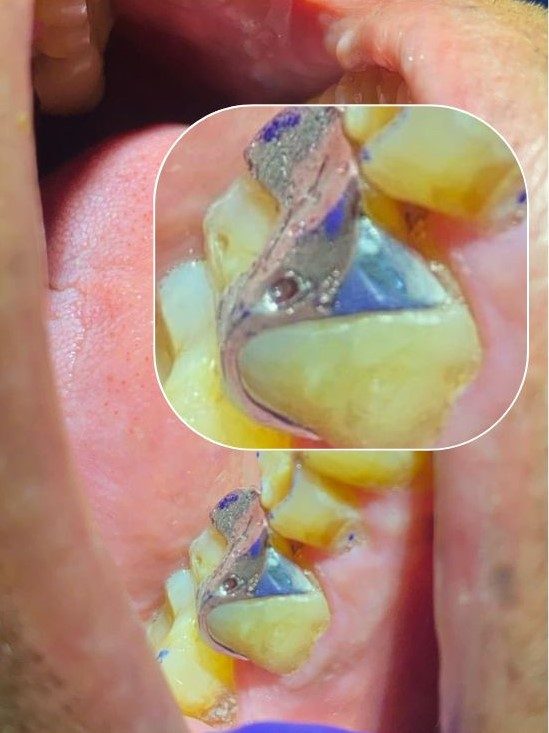
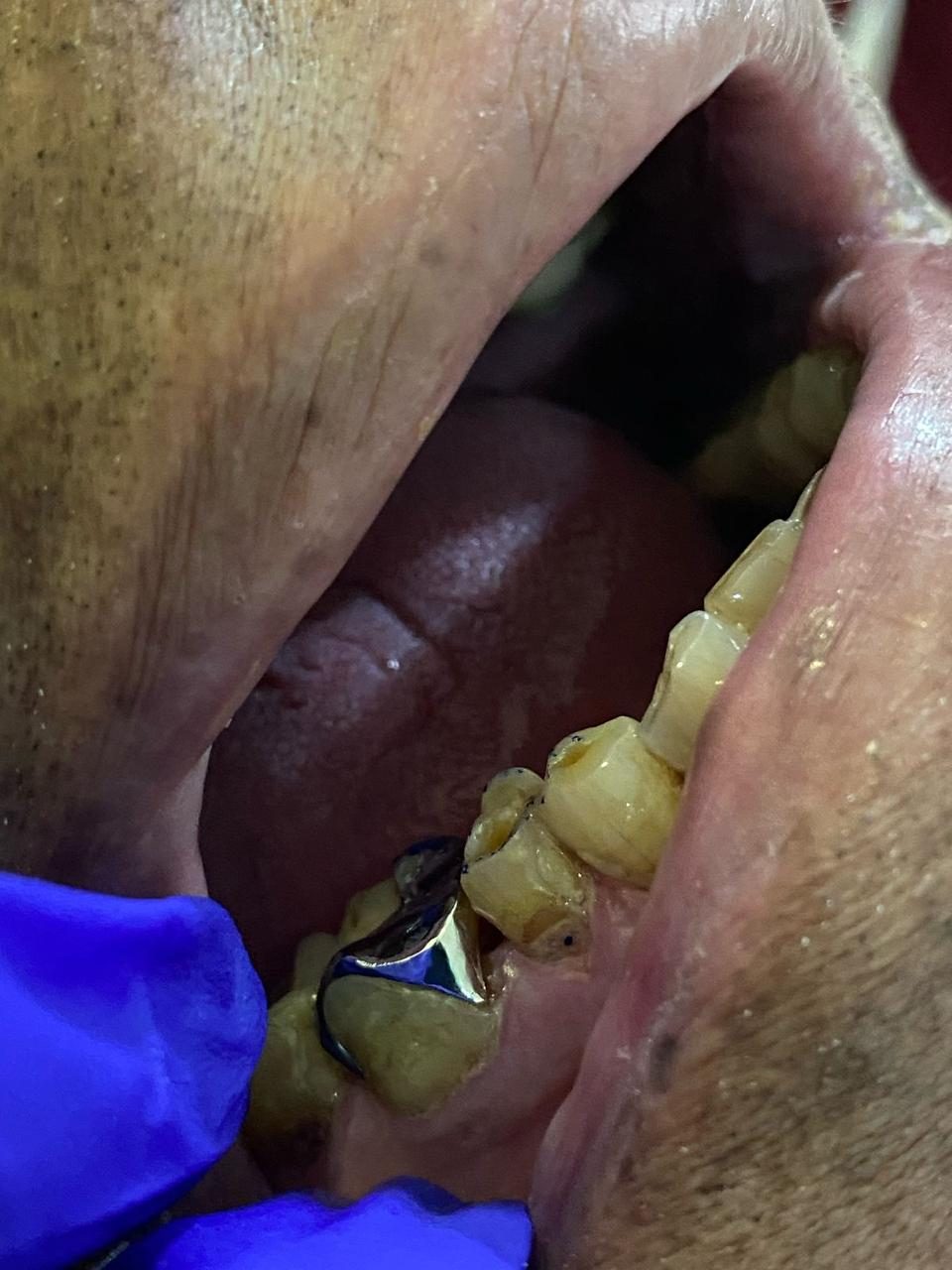
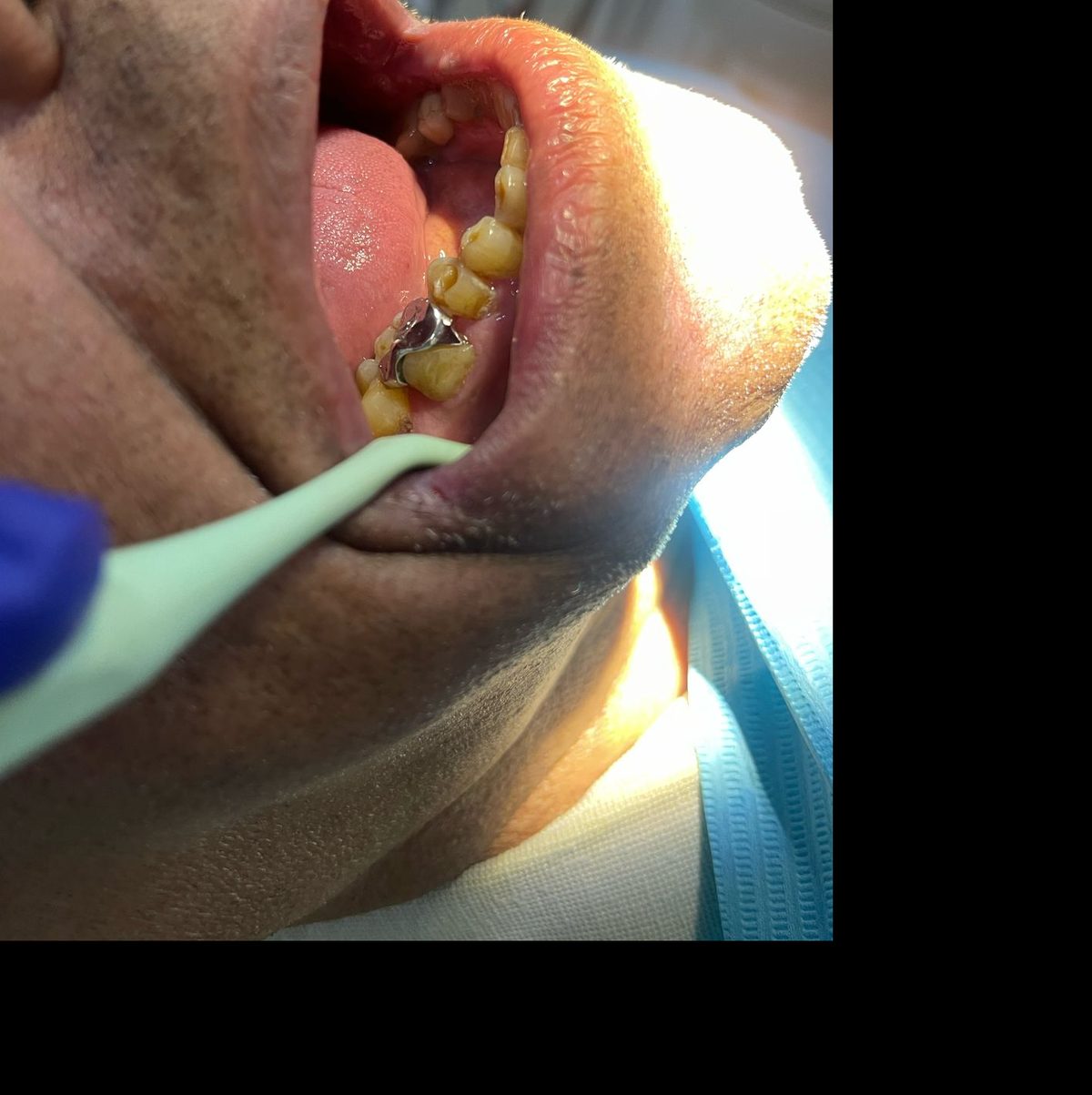
The treating clinic first commissioned a traditional dental laboratory to cast a metal onlay. When it arrived and was tried in, the problem was immediate and visible:
“Huge gap has been observed in mesio-cervical margin region. Additionally, margins did not blend.”
— The treating clinic, on the first metal onlay
The onlay failed to adapt to the prepared tooth on its mesial and cervical aspects. Food began lodging between restoration and tooth — a breeding ground for bacteria, and for Patient X, an elevated infection risk that could postpone or complicate cancer therapy. Interproximal contact with the neighbouring tooth was never properly established.
The second onlay couldn't even be seated
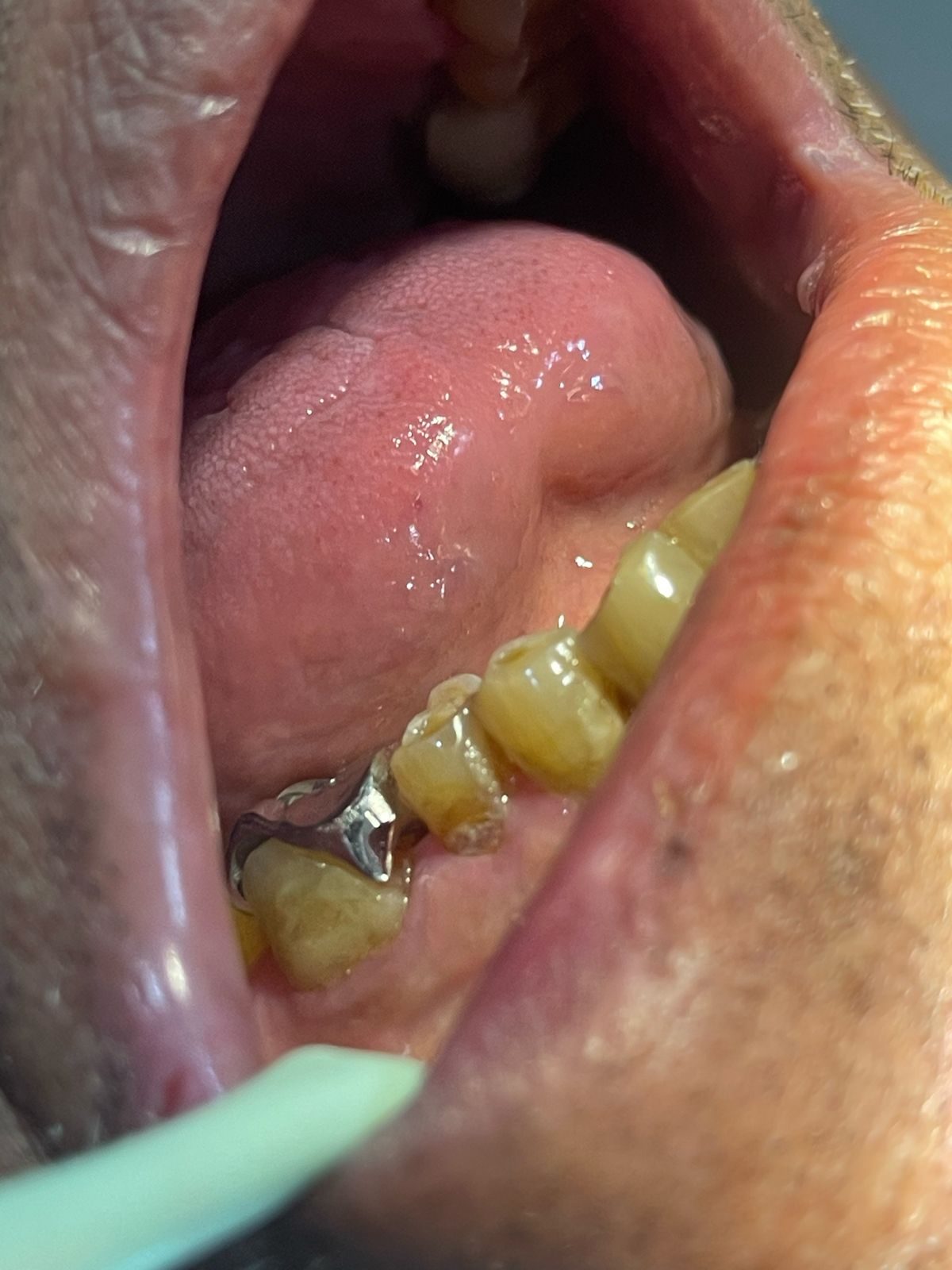
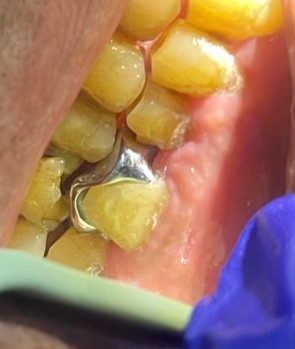
With the therapy start date closing in, the clinic requested an urgent remake from the same laboratory. The second casting arrived — and was worse than the first:
“There is a huge marginal gap between restoration and the prepared tooth.”
— The treating clinic, on the remake
This onlay was so grossly ill-fitting it could not be placed on the prepared tooth at all. Two consecutive failures pointed to something systemic: casting shrinkage and distortion, impression or master-cast inaccuracy, and the inherent limits of metal casting for high-precision work. A temporary onlay was placed as an emergency measure — with a survival window of only 10–15 days. The countdown to the cancer treatment now had a second, shorter countdown inside it.
Metal shrinks and distorts as castings cool — precise adaptation is fundamentally hard to repeat.
Dental alloys can corrode and release metal ions; nickel is a common allergen — a real risk for an immunocompromised patient.
Poor interproximal contact meant food impaction, gingival inflammation and mounting periodontal risk.
The clinic calls Toothrocket
The clinic sent the case to Toothrocket with one explicit request: close the interproximal space completely. Our design team achieved the maximum possible closure within the onlay's fitting constraints — and made three deliberate engineering decisions:
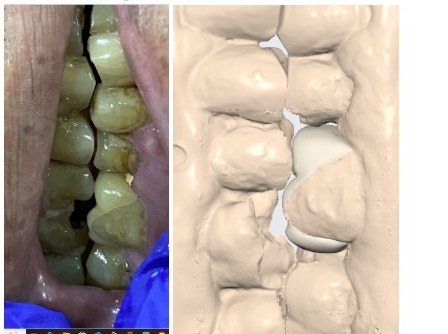
Thickness was deliberately increased above the standard because Patient X required high bite-force sustainability.
Built-in chairside adjustment capability — the design software blocks any export that would breach minimum thickness.
In both the scanned file and the physical model, the bite sat correctly with no high points — checked before fabrication.
The nano-hybrid ceramic onlay was designed, 3D-printed and delivered on 02-04-25 — seated by the clinic the very next day. Days, not weeks. Inside the temporary onlay's window.
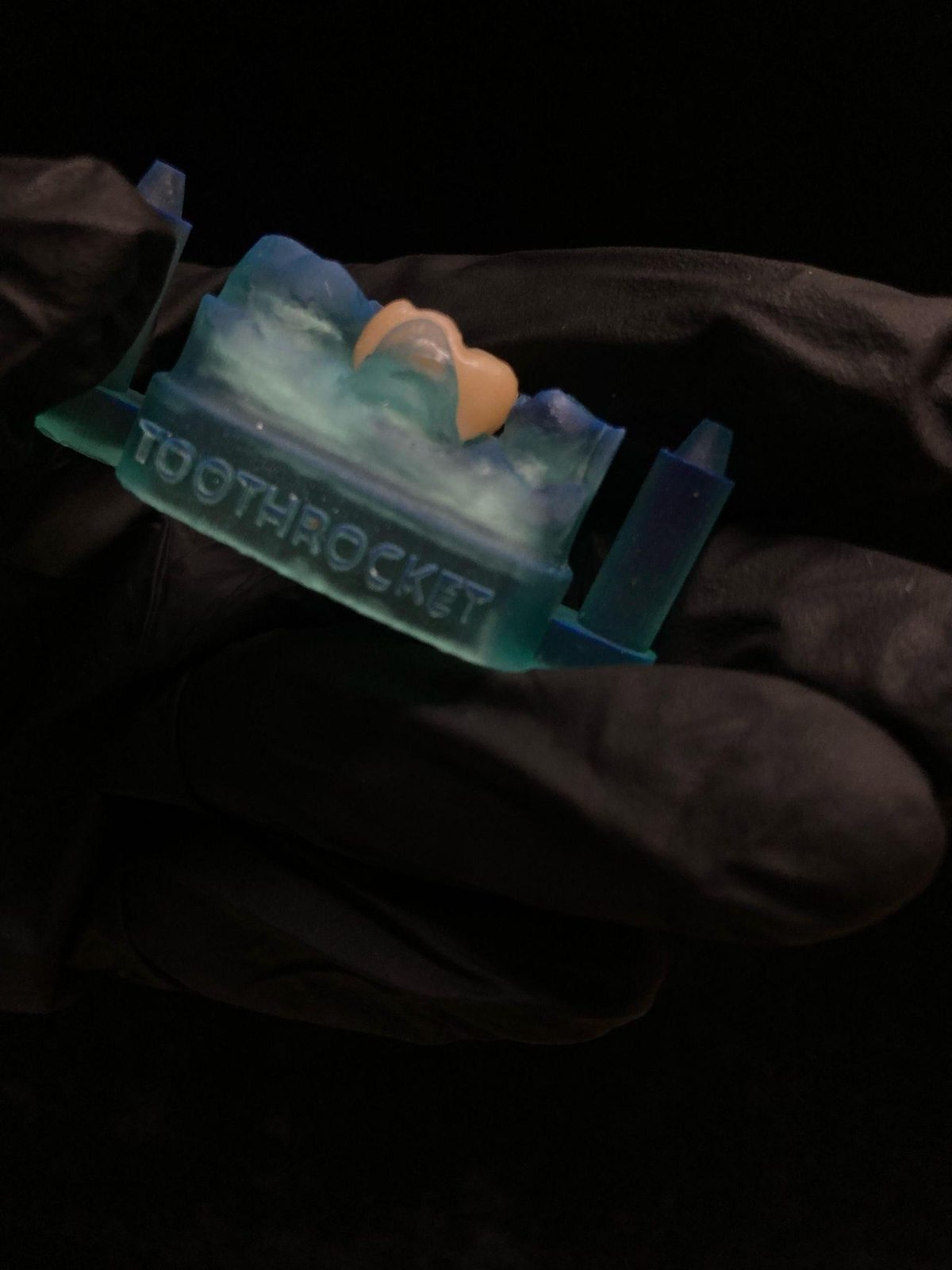
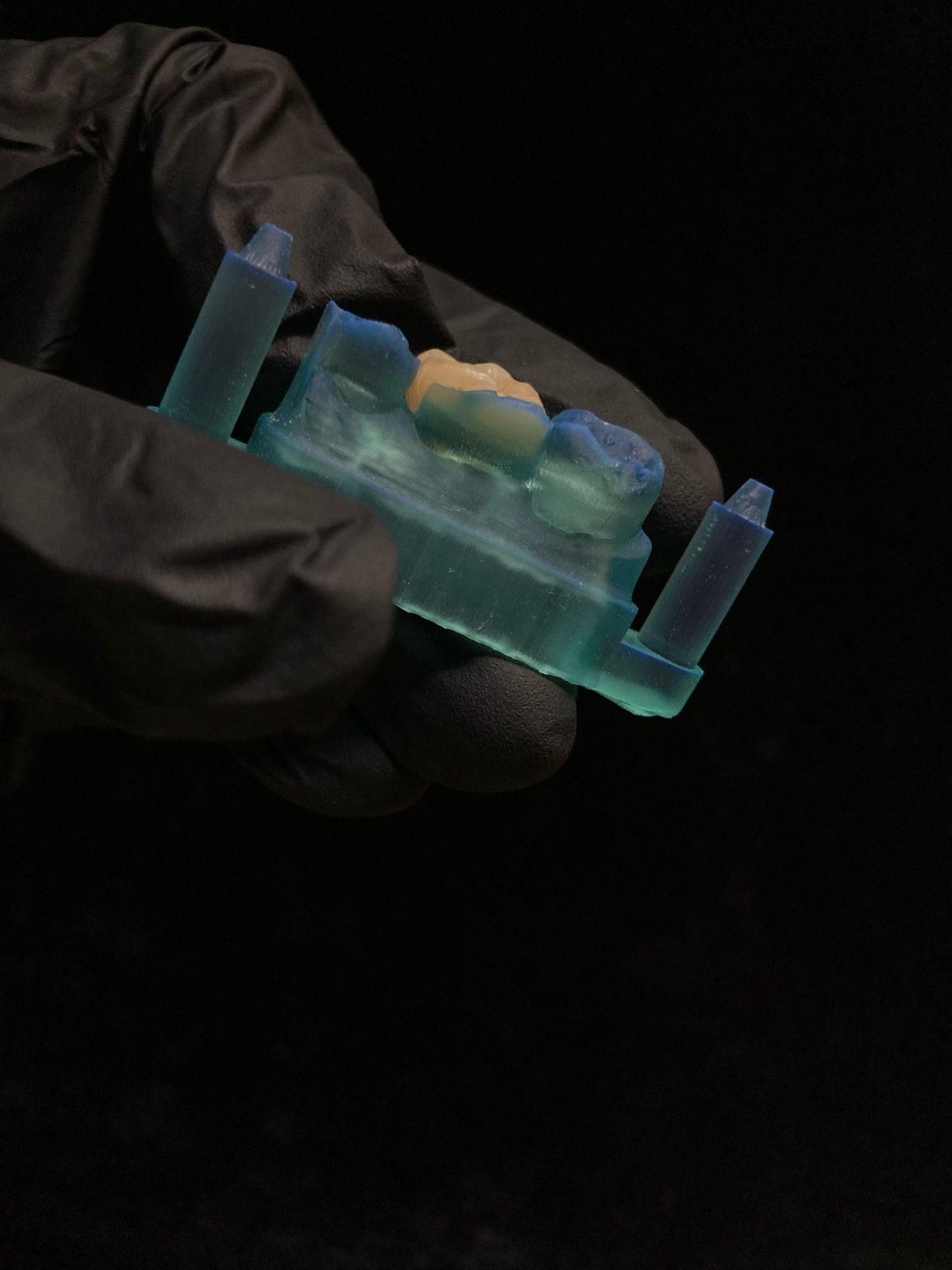
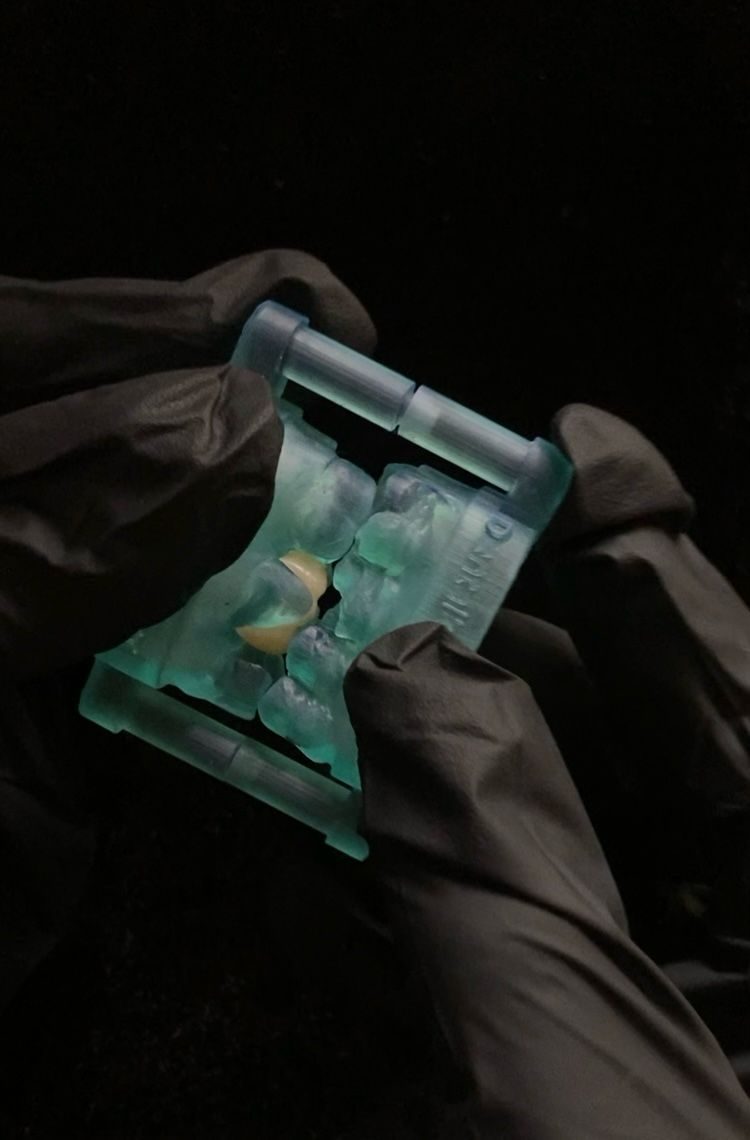
One visit, two adjustments, a final fit
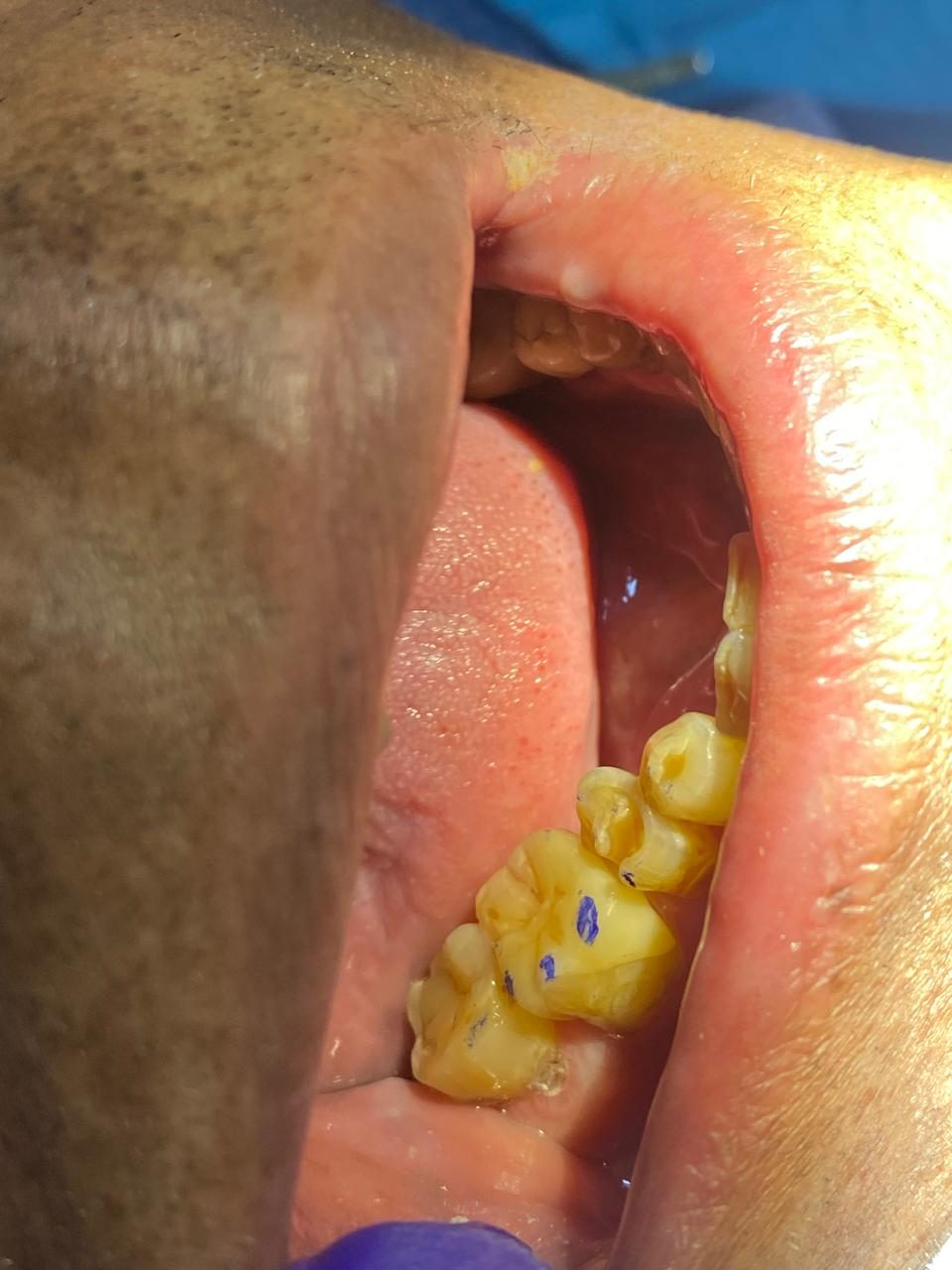
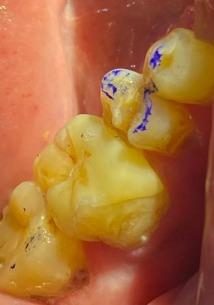
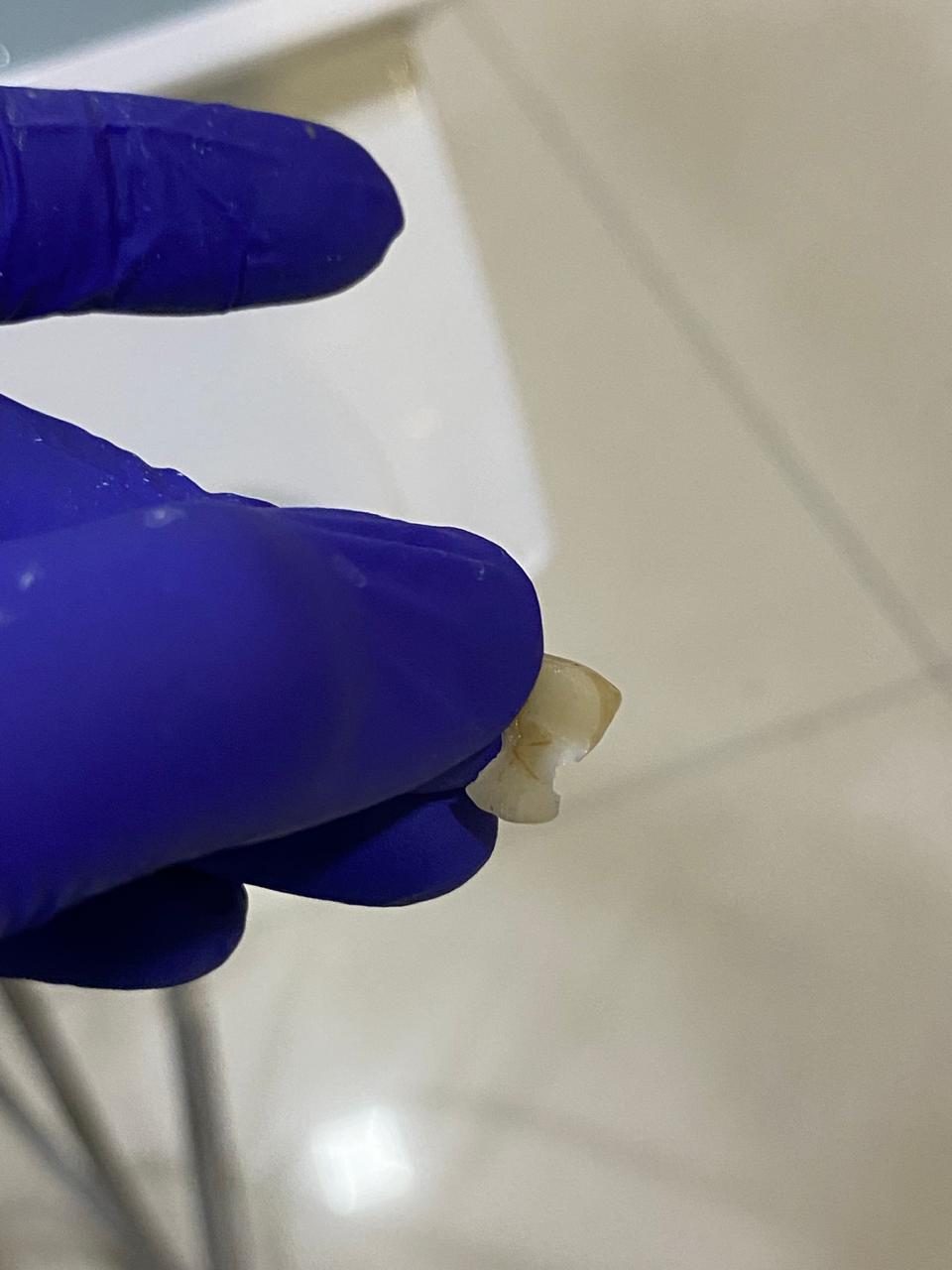
At try-in, the onlay presented occlusally high and the margins did not yet blend — precisely the scenario the adjustment margins were designed for. The dentist reduced the marked high points on the onlay, then discovered and reduced a high point on the opposing tooth that had been contributing to the bite discrepancy all along. The onlay — printed thicker on purpose to survive exactly this kind of adjustment — seated correctly and was cemented.
Double bonding of molecules.
The market still bonds once.
Conventional nano-ceramics on the market today rely on a single molecular bond between the resin matrix and the ceramic filler particles. That single interface is exactly where restorations fail: micro-gaps open under occlusal load, moisture creeps in, margins degrade.
Toothrocket's nano-hybrid ceramic is engineered with double bonding of molecules — each nano-filler particle is coupled to the matrix twice, creating a densely cross-linked interface that conventional single-bond materials simply cannot match. It is why the margin Patient X received is the margin that was designed.
- Denser matrix–filler interface — minimised polymerisation shrinkage, so the printed margin is the designed margin
- Higher fracture and chipping resistance under normal and high occlusal load
- Superior marginal integrity — the exact failure point of both metal casting and single-bond ceramics
- Long-term colour and surface stability with zero metal-ion release
- Biocompatible and metal-free — no nickel, no corrosion, safe for immunocompromised patients
Metal onlay vs Toothrocket nano-hybrid ceramic
| Property | Metal onlay | Nano-hybrid ceramic (double-bonded) |
|---|---|---|
| Molecular bonding | — | Double bonding of molecules — dual covalent coupling at the matrix–filler interface |
| Biocompatibility | Potential for corrosion and allergic reactions (e.g. nickel) | Excellent — fully metal-free, safe for immunocompromised patients |
| Precision / marginal fit | Hard to achieve consistently — casting shrinkage and distortion | High precision, excellent marginal adaptation from the digital design file |
| Aesthetics | Metallic appearance, less natural | Mimics natural tooth translucency and colour stability |
| Strength | Generally high | High strength and durability — engineered for high bite force |
| Corrosion resistance | Variable, depends on alloy | Excellent — no metal ions released |
| Allergenicity | Potential for metal allergies | Low risk of allergic reactions |
Seated, cleared, and on to treatment
Patient X received a precise, biocompatible, metal-free restoration — and proceeded to cancer treatment on schedule. Every Toothrocket restoration, including this one, ships with a live ToothPassport™ — a 10-year clinical warranty valid anywhere in the world.
Have a case that can’t afford a remake?
Send it to the lab that fits medically complex patients first time — with double-bonded nano-hybrid ceramic.